.svg)
.svg)

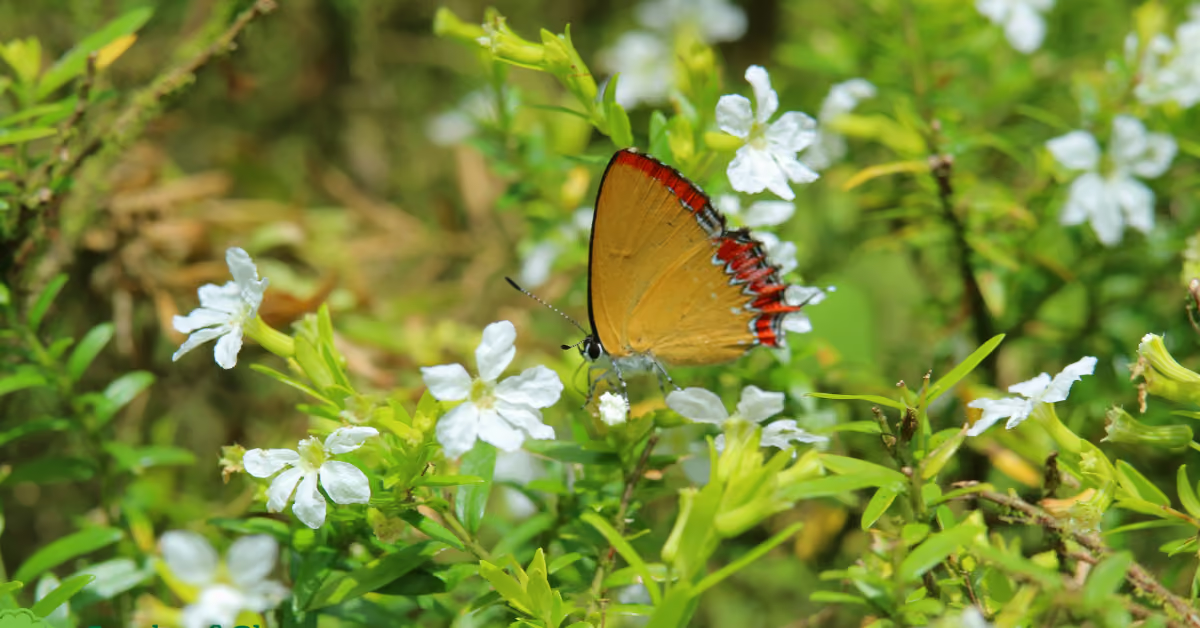
Butterfly garden plants are chosen with intention, either as nectar sources for adult butterflies or as host plants that feed caterpillars. When you include both, you support the full life cycle: egg, caterpillar, chrysalis, adult. The reward is more than seasonal color. A well-planned bed can raise biodiversity, improve pollination in nearby plantings, and create a steadier ecological balance with more beneficial insects.
If you also want birds, many hummingbird and butterfly garden plants overlap, so one planting can fuel butterflies, hummingbirds, and other pollinators with the same bloom sequence.
Why Choose Butterfly Garden Plants
Butterflies are not just looking for flowers; they are looking for resources.
- Adults need nectar to fuel daily flight, mating, and migration.
- Caterpillars need specific host leaves; without host plants, breeding fails.
- Many butterfly plants for garden borders also support bees and hummingbirds.
- Planting habitat helps offset pressure from lawn-heavy landscapes and pesticide use.
Understanding Butterfly Garden Basics
Plants for a butterfly garden fall into two categories: nectar plants and host plants. Nectar plants keep adults fed, and host plants let butterflies reproduce. Microhabitat matters too, six or more hours of sun, wind shelter, and a few resting spots. If you are asking what plants do you need for a butterfly garden, plan for continuous blooms plus a couple of reliable hosts.
Nectar Plants: Feeding Stations for Butterflies
Great nectar plants offer accessible nectar, long bloom time, and flower shapes that butterflies can use. Look for daisy-like heads and clustered tubes, then plant in repeating groups so butterflies can find them quickly. Mix colors, red, orange, pink, purple, and stagger bloom windows from spring through fall.
Host Plants: Catering to Butterfly Life Cycles
Host plants are species-specific. Monarchs rely on milkweed, and many swallowtails use dill, fennel, and parsley. Native hosts often outperform imports because local butterflies recognize them and larvae tolerate them well. Put hosts in the sun with well-drained soil, and accept chewed leaves, which means the garden is working.
Top Butterfly Garden Plants to Include
The best butterfly garden plants combine strong nectar, local fit, and easy care. If you like a native first approach, this guide to native Tennessee plants is a useful example of how regional natives support wildlife, even outside Tennessee.
Milkweed (Asclepias spp.)
Upright perennial with clustered blooms and milky sap. Butterflies love it because it is the key monarch host and a nectar source. Full sun, well-drained soil, moderate moisture. Bloom late spring through summer. Sow after brief cold stratification, avoid heavy fertilizer, and land et pods mature for reseeding.
Butterfly Bush (Buddleja davidii)
A woody shrub with fragrant flower spikes, a heavy nectar producer for adults. Full sun, well-drained soil, tolerant once established. Blooms summer into early fall. Deadhead for repeat flushes, prune hard in early spring. In some areas, it spreads; choose sterile cultivars where advised.
Coneflower (Echinacea purpurea)
Sturdy perennial with daisy-like blooms and raised centers that make easy landing pads. Full sun, average soil, drought-tolerant once rooted. Blooms mid-summer to early fall. Deadhead to extend bloom, leave some seedheads later, divide clumps if flowering slows.
Lantana (Lantana camara)
Shrubby plant with clustered, multicolored flowers and long bloom in heat, popular among Florida zone 9 butterfly garden plants. Full sun, well-drained soil, moderate water to establish. Bloom late spring through fall. Light pruning boosts flowering. Choose non-invasive cultivars; keep away from pets.
Bee Balm (Monarda spp.)
Aromatic perennial with tubular flowers that draw butterflies and hummingbirds. Sun to part shade, rich soil, steady moisture. Blooms mid-summer. Space for airflow, water at the base, and deadhead for another flush. Strong plants for butterfly and hummingbird garden beds.
Zinnia (Zinnia elegans)
Fast-growing annual with bright blooms and easy nectar access, ideal butterfly garden plants for beginners. Full sun, well-drained soil. Blooms early summer to frost. Direct sow after frost, deadhead often, avoid overhead watering, and thin for airflow in humid weather.
Joe Pye Weed (Eutrochium spp.)
Tall perennial with mauve pink clusters that pull butterflies in late season. Sun to part shade, moist soil, ideal near swales. Bloom late summer into fall. Give space, mulch for moisture, stake if windy, leave seedheads through winter for habitat.
Aster (Symphyotrichum spp.)
Fall-blooming perennials that act as late nectar bars. Full sun, average to moist soil. Blooms fall. Plant in groups, pinch in early summer for bushier growth, and divide every few years. A staple when people ask what the best plants are for a butterfly garden.
Seasonal Planting Guide for Butterflies
Aim for a bloom sequence, so nectar is always available.
Spring bloomers
- Early milkweed, spring asters, coreopsis
Summer bloomers
- Coneflower, butterfly bush, bee balm, zinnia, lantana
Fall bloomers
- Asters, goldenrod, late blooming milkweed
Start with perennials, then use annuals to fill gaps. Repeat your strongest bloomers in clusters; that is how you maintain the best butterfly garden plants through the season. Keep notes each season, then adjust plantings based on traffic.
Designing and Planting Your Butterfly Garden
Good design makes butterflies stay longer. Grouping, drainage, and low-input maintenance matter, and these sustainable landscape design ideas fit naturally with a pollinator layout.
Site Selection and Soil Preparation
Choose a sunny spot with at least six hours of direct sun and wind protection. Amend clay with compost to improve drainage, and add organic matter to sandy soil to hold moisture. Keep nitrogen light, too much creates leaves, not flowers. Water consistently in the first few weeks, then shift to deep, less frequent watering.
Garden Layout and Plant Grouping
Plant in drifts of five to ten of the same species, and butterflies notice targets. Layer heights, tall in back, shorter in front, and repeat color blocks. Add flat stones for basking and leave access space so you can deadhead and inspect host plants without trampling stems.
Companion Planting and Plant Combinations
Pair Joe Pye weed with asters for late-season coverage. Mix coneflower with zinnia for summer continuity. Place milkweed near nectar blooms so adults can feed where they lay eggs. Add native grasses at edges for shelter and overwintering structure.
Maintenance Tips for a Healthy Butterfly Garden
Keep care simple, protect blooms, and protect caterpillars.
Watering and Feeding
Water early, deeply, and less often. Mulch with organic material to conserve moisture and reduce weeds; keep mulch off crowns. Top dress with compost instead of strong fertilizer; you want flowers, not soft growth.
Pruning and Deadheading
Deadhead to extend bloom, especially zinnia, coneflower, bee balm, and butterfly bush spikes. Prune the butterfly bush in early spring. Cut back perennials in early spring, but leave some stems over winter for shelter where practical.
Pest and Disease Management (Pesticide Free Strategies)
Avoid broad-spectrum sprays. Scout weekly, handpick pests, and tolerate some caterpillar feeding. If you must treat, spot treat, and apply in the evening, never on open flowers. Encourage predators like ladybugs and lacewings by keeping plant diversity high.
Why Native Plants Matter in Butterfly Gardens
Natives often offer the best nutrition and recognition cues for local species, and they usually need less water once established.
Benefits of Native Plants
Native plants co-evolved with local butterflies, so larvae survival is often higher. They also tend to fit local soils and weather swings, which reduces inputs and makes the garden more resilient.
How to Choose Region-Appropriate Species
Use state extension lists, county conservation guides, and the USDA PLANTS Database to find host and nectar natives. Check invasive species lists before buying. Start with a few proven natives, then expand based on what butterflies actually use.
Additional Features to Attract Butterflies
A few habitat touches make your planting feel like home.
Providing Water Sources
Create a shallow puddling station, a dish with gravel and damp sand. Refresh often, keep it shallow to avoid mosquitoes. Place it in the sun near flowers so butterflies can drink between feedings.
Creating Shelter and Resting Spots
Add windbreaks with shrubs, leave a small brush pile, and keep flat rocks in sunlit patches for basking. Avoid harsh night lighting near the bed when possible; calmer nights support insect behavior.
Final Thoughts
What are the best plants for a butterfly garden? Start with clustered nectar bloomers, add hosts like milkweed, and plan for spring to fall coverage. What kind of plants do you put in a butterfly garden? Use a mix of nectar plants plus host plants, and then refine based on what you observe. Over time, you will find the best plants for a butterfly and hummingbird garden, and the butterfly plants for garden areas that truly thrive for you.
FAQ
What are the essential host plants for caterpillars in a butterfly garden?
Milkweed for monarchs is the classic start. Add dill, fennel, and parsley for swallowtails, plus region-specific native hosts as you learn what visits.
Which nectar plants bloom longest to support butterflies throughout the season?
Lantana, zinnia, and butterfly bush can bloom for months with deadheading. Pair them with coneflower mid-season and asters in fall to avoid gaps.
Can I plant butterfly garden species in both full sun and partial shade?
Most nectar plants bloom best in full sun. Use part shade for shelter plants, and keep your prime bloomers in the sunniest spots.
How do I prepare soil to ensure good survival rates for butterfly garden plants?
Loosen soil, add compost, and prioritize drainage. Water deeply during establishment, mulch lightly, and avoid heavy fertilizer.
%20(1).avif)
.svg)
.avif)