.svg)
.svg)

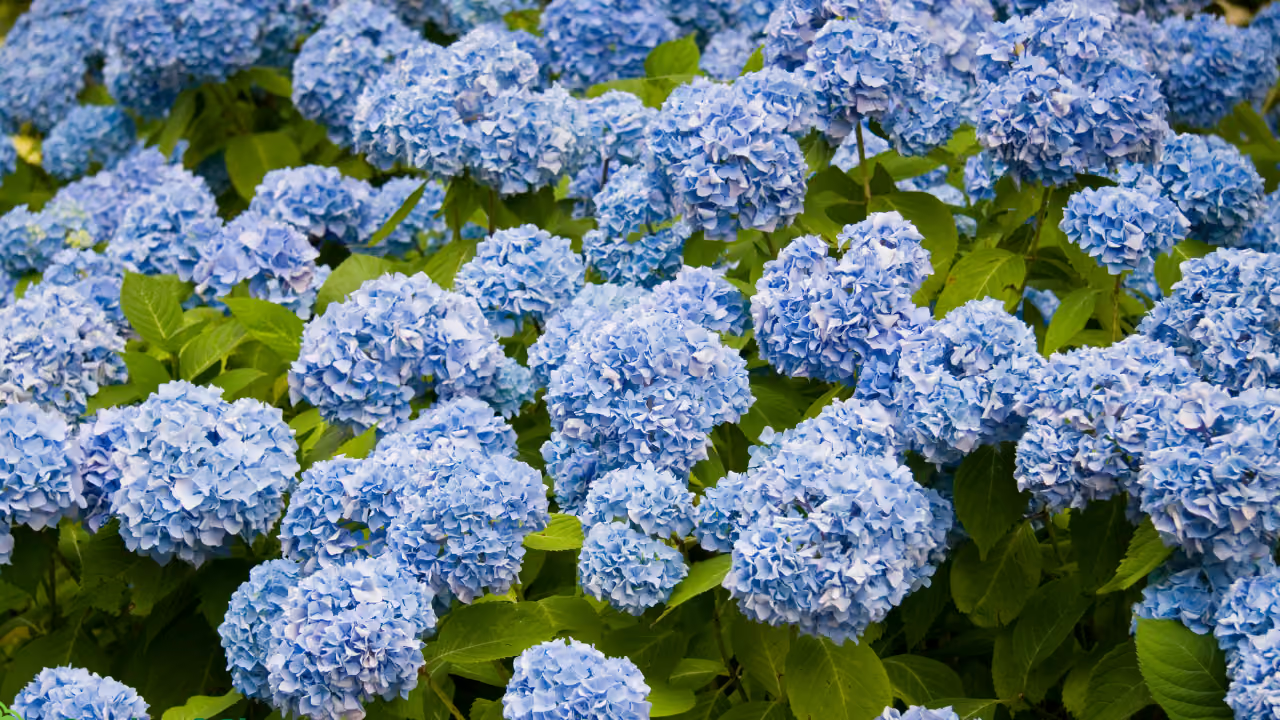
Hydrangeas have a way of making a yard feel softer, fuller, and more cared for without asking for constant attention every weekend. Their big blooms can fill a quiet corner, brighten a shaded border, or turn a front walkway into something that feels more personal.
Still, these shrubs can confuse even patient gardeners. One plant blooms every year without drama, while another grows healthy leaves and refuses to flower.
Someone says to prune in spring. Someone else says never touch it until summer. Then the flowers turn pink when you wanted blue, and suddenly hydrangeas feel a little more mysterious than they should.
This guide walks through how to grow hydrangeas, how to care for hydrangeas, when to prune them, where to plant them, and what to expect from their flowers through the season.
What Are Hydrangeas and Why Are They So Popular in Home Gardens
Hydrangeas are flowering shrubs known for large clusters of blooms that can look round, cone-shaped, flat, airy, or almost lace-like, depending on the variety. Most hydrangeas are perennials, which means they return year after year when they grow in the right climate and receive steady care.
Gardeners love hydrangeas because they bring a lot of visual reward. A single mature shrub can fill a large bed, soften the corner of a house, or create a relaxed cottage-garden feeling near a patio. Hydrangeas flowers can also last for weeks, and many varieties keep some beauty even as the blooms fade into softer green, cream, pink, or antique tones.
How big do hydrangeas get? That depends on the type. Some stay around 3 feet tall, while larger panicle or oakleaf types can reach 6 to 10 feet or more. This matters because a hydrangea that looks small at the garden center may need real breathing room later.
For many homeowners, hydrangeas hit a sweet spot. They feel lush and special, but they don’t have to feel fussy once the right plant is in the right place.
Different Types of Hydrangeas and How to Choose the Right One
The different types of hydrangeas do not all behave the same way, and that’s where many garden headaches start. A beautiful plant can still become frustrating if it needs more sun, more space, or a different pruning schedule than your yard can give it.
Bigleaf hydrangeas are the classic rounded shrubs many people picture first. These include mophead and lacecap types, and some can change color based on soil conditions. They often prefer morning sun and afternoon shade, especially in warm climates.
Panicle hydrangeas are tougher in sunnier spots and often bloom in cone-shaped clusters. They can work well in open landscapes where a bigleaf hydrangea might wilt by mid-afternoon.
Smooth hydrangeas, including popular white-blooming types, can be forgiving and reliable. Oakleaf hydrangeas bring large leaves, white blooms, and strong fall color, so they work well when a garden needs more than summer flowers.
Choosing among the types of hydrangeas starts with a simple question: what does your space actually offer? A small shaded bed near the porch needs a different plant than a sunny backyard border.
Blue Hydrangeas, White Hydrangeas, and Other Popular Varieties
Blue hydrangeas get a lot of attention, and honestly, it’s easy to see why. Their color feels cool and calm, especially near stone paths, shaded patios, and woodland edges. Many blue hydrangeas are bigleaf or mountain types, and their color often depends on acidic soil.
White hydrangeas behave differently. White hydrangeas generally stay white rather than changing with soil pH. They may age into green, blush, or tan tones, but you usually cannot turn them blue with soil amendments.
Pink, purple, red, lime, and creamy green varieties can all fit different garden styles. The best choice is less about chasing one perfect color and more about choosing a plant that fits your light, soil, and maintenance habits.
How Big Do Hydrangeas Get and Where Do They Fit Best
Hydrangeas can stay compact, spread wide, or grow into large shrubs that anchor a whole planting bed. Many smaller bigleaf varieties land around 3 to 5 feet tall and wide. Panicle hydrangeas can grow much larger, sometimes 6 to 10 feet tall, depending on the cultivar.
That mature size should guide where to plant hydrangeas. A shrub squeezed too close to a walkway will need constant trimming, and constant trimming can ruin bloom timing. Give each plant enough room to reach its natural shape, especially near windows, porches, fences, and narrow side yards.
How to Plant Hydrangeas for Healthy Growth
The best time to plant hydrangeas is usually spring or fall, when the weather feels gentler and the plant has time to settle before heat or cold pushes it too hard. In warmer areas, fall planting often works well because roots can start growing before summer stress arrives.
If you’re wondering when to plant hydrangeas, think about root comfort first. Avoid the hottest stretch of summer unless you can water carefully. Also avoid planting right before a hard freeze, because a new shrub needs time to settle into the soil.
To plant, dig a hole as deep as the root ball and about twice as wide. Loosen the roots if they circle tightly inside the pot. Set the plant so the top of the root ball sits level with the surrounding soil. Backfill with native soil mixed with compost if the bed needs organic matter, then water deeply.
How to plant hydrangeas is not complicated, but the first few weeks matter. New plants need steady moisture while their roots reach into the surrounding soil.
Where to Plant Hydrangeas and How Much Sun They Need
Do hydrangeas need full sun? Some can handle it, but many prefer morning sun and afternoon shade. This is especially true in hot climates where afternoon heat can leave leaves drooping, even when the soil is moist.
Can hydrangeas grow in full sun? Panicle hydrangeas usually tolerate more sun than bigleaf types, especially with enough water. Still, many hydrangeas do best with protection from harsh afternoon heat.
A spot with bright morning light, rich soil, and some shade later in the day often works beautifully. If your yard has more shade than sun, pair hydrangeas with other shade garden plants that enjoy similar conditions.
Soil, Spacing, and First-Time Watering Tips
Hydrangeas like soil that drains well but does not dry out too fast. Heavy clay can hold too much water around the roots, while sandy soil can lose moisture before the plant gets what it needs. Compost can help both extremes by improving texture.
Spacing depends on mature size, not the size of the pot you buy. Many hydrangeas need at least 3 to 6 feet of room, and larger types may need more.
How often to water hydrangeas after planting depends on heat, rainfall, and soil. During the first season, check the soil often. If the top couple inches feel dry, water deeply rather than giving the plant a quick splash.
How to Care for Hydrangeas Throughout the Year
How to take care of hydrangeas starts with consistency. These shrubs usually do not need daily fussing, but they do need water, mulch, smart feeding, and pruning at the right time.
In spring, remove dead wood and check for winter damage. Add compost or a balanced fertilizer if the plant needs feeding. Mulch around the base, but keep mulch away from the stems so moisture does not sit against the crown.
Through summer, watch the leaves. Some wilting in afternoon heat can happen, especially on bigleaf hydrangeas. However, leaves that stay limp into evening usually mean the plant needs water. Deep watering helps roots grow stronger than frequent shallow watering.
Fertilizer for hydrangeas should match the plant and the soil. Too much fertilizer can push leafy growth instead of blooms. When to fertilize hydrangeas depends on the type, but many gardeners feed lightly in spring and avoid late-season feeding that encourages tender growth before winter.
In fall, leave dried flower heads if you like their look, and avoid major pruning unless your hydrangea type calls for it.
Watering, Feeding, and How to Revive Hydrangeas
Hydrangeas often tell you when they’re unhappy. Drooping leaves, dry edges, fewer blooms, and weak stems can all point to stress. The first thing to check is moisture, because these plants like steady water.
How often to water hydrangeas depends on the site, but many need about 1 inch of water per week during the growing season. New plants, container plants, and shrubs in hot sun may need more.
If you need to know how to revive hydrangeas, start gently. Water deeply at the base, add mulch if the soil is exposed, and give the plant time to respond. If a cut stem wilts indoors, recut it and place it in fresh water. Outdoor plants usually bounce back when the root zone receives steady moisture.
Do Deer Eat Hydrangeas and How to Protect Your Plants
Do deer eat hydrangeas? Yes, deer may browse hydrangeas, especially tender new growth and flower buds. They do not always destroy the whole shrub, but one hungry visit can ruin a season of blooms.
Protection works best before deer build a habit. Use fencing around vulnerable beds, apply deer repellent consistently, or place hydrangeas closer to active areas near the house. Some gardeners also mix hydrangeas with plants deer tend to avoid, though no plant is completely safe when deer are hungry enough.
When Do Hydrangeas Bloom and How Long Do They Bloom
When do hydrangeas bloom? Most bloom from late spring through summer, though timing depends on the type, the weather, and your local climate.
In East Tennessee and similar regions, many hydrangeas start showing their best color from late spring into mid-summer, while panicle types often carry the show later into summer and early fall.
How long do hydrangeas bloom also depends on variety and care. Some bloom for several weeks. Others keep producing flowers over a longer window, especially reblooming types that flower on both old and new wood.
A plant with healthy roots, steady moisture, and the right light usually blooms better than one fighting heat, drought, or hard pruning. If a hydrangea grows leaves but no flowers, pruning time is often the first thing to check. Winter damage, too much shade, too much nitrogen, or late spring frost can also reduce blooms.
Hydrangeas reward patience. A young plant may need a season or two before it looks full and settled.
Pruning Hydrangeas: When and How to Do It Correctly
Pruning hydrangeas feels confusing because the right answer changes by type. The most important thing to know is whether your plant blooms on old wood, new wood, or both.
Old wood means the flower buds formed on last year’s stems. Bigleaf, oakleaf, mountain, and climbing hydrangeas often bloom this way. If you cut those stems too late in the season, you may remove next year’s flowers without realizing it. For these types, when to prune hydrangeas is usually right after flowering.
New wood means the plant forms buds on the current season’s growth. Panicle and smooth hydrangeas usually bloom this way. These can be pruned in late winter or early spring before new growth starts.
How to prune hydrangeas starts with identifying the plant. After that, remove dead, damaged, or crossing stems. Cut old flower heads if you want a tidier look. Avoid cutting everything down unless the type responds well to that treatment.
When to cut back hydrangeas and when to trim hydrangeas are really the same question with one warning attached: don’t trim just because the shrub looks a little wild. A slightly loose hydrangea often blooms better than one forced into a tight shape.
If you’re unsure how to trim hydrangeas, take the conservative route. Remove dead wood, wait for the plant to leaf out, and prune lightly after you know what type you have.
How to Make Hydrangeas Blue and Control Flower Color
How to make hydrangeas blue comes down mostly to soil chemistry, but only with certain hydrangeas. Bigleaf and mountain hydrangeas can change color based on soil pH and aluminum availability. White hydrangeas do not turn blue from soil changes.
Acidic soil tends to produce blue flowers. More alkaline soil tends to produce pink flowers. Before adding anything, test your soil. Guessing can push the soil too far, and the plant may struggle even if the color changes.
If you want blue hydrangeas, use a soil acidifier or aluminum sulfate only as directed. Go slowly. Color change can take weeks or longer, and a young plant may need time before you ask it to handle soil adjustments.
There’s something fun about this part of growing hydrangeas. Still, flower color should not matter more than plant health. A strong pink hydrangea in the right spot will always look better than a stressed blue one in the wrong place.
Propagating and Preserving Hydrangeas
How to propagate hydrangeas is one of those small garden projects that feels more satisfying than expected. Softwood cuttings are a common method. Choose a healthy, non-flowering stem, cut a 4 to 6 inch piece, remove the lower leaves, and place the cutting in moist potting mix. Keep it warm, humid, and out of harsh sun while roots form.
Propagating hydrangeas takes patience, and not every cutting roots. That’s okay. Start a few cuttings if you have room, and treat the process as a quiet experiment rather than a guaranteed result.
Dried hydrangeas are another reason people love these plants. Their blooms can fade into papery, vintage-looking colors that work well in wreaths, vases, and simple indoor arrangements.
How to dry hydrangeas is fairly easy. Cut mature blooms when they feel slightly papery, remove the leaves, and place stems in a vase with a small amount of water. As the water evaporates, the blooms dry slowly. You can also hang stems upside down in a dry, dark, airy place.
Are Hydrangeas Poisonous to Pets and People
Are hydrangeas poisonous? Yes, hydrangeas contain compounds that can cause problems if people or pets eat enough of the plant. The risk is usually tied to ingestion, not touching the shrub during normal garden care.
Are hydrangeas poisonous to dogs? Yes, dogs can get sick if they chew or eat hydrangea leaves, flowers, or buds. Symptoms may include vomiting, diarrhea, and unusual tiredness. Serious reactions are less common, but pet owners should still take the risk seriously.
Are hydrangeas poisonous to cats? Yes, cats can also react after eating hydrangea plant parts.
Because cats are smaller and sometimes nibble plants out of curiosity, it makes sense to keep hydrangeas away from areas where cats roam freely.
For families, the practical answer is simple. Plant hydrangeas where pets and young children are less likely to snack on them. If a pet eats part of a hydrangea and shows symptoms, call a veterinarian or poison control resource right away.
Frequently Asked Questions About Hydrangeas
Are hydrangeas poisonous to cats?
Yes, hydrangeas are poisonous to cats if eaten. The plant can cause stomach upset, vomiting, diarrhea, and unusual tiredness. Most cats will not eat enough to have a severe reaction, but owners should still treat ingestion seriously and call a veterinarian if symptoms appear.
When do hydrangeas bloom?
Hydrangeas usually bloom from late spring through summer, though some types continue into early fall. Variety, climate, pruning, sunlight, and water all affect bloom timing. If your plant looks healthy but does not bloom, check whether you pruned off old-wood flower buds.
How often to water hydrangeas?
Most hydrangeas need steady moisture, especially during their first year and during hot weather. Many gardens do well with about 1 inch of water per week, but sandy soil, containers, and full-sun locations may need more. Deep watering works better than quick surface watering.
Do hydrangeas need full sun?
No, many hydrangeas do not need full sun. Most prefer morning sun and afternoon shade, especially in warm regions. Panicle hydrangeas can handle more sun than bigleaf types, but even sun-tolerant plants need enough water during hot, dry weather.
How to prune hydrangeas?
First, identify the type. Bigleaf, oakleaf, mountain, and climbing hydrangeas often bloom on old wood and should be pruned after flowering. Panicle and smooth hydrangeas bloom on new wood and can be pruned in late winter or early spring.
Conclusion
Hydrangeas can feel confusing at first, but most problems get easier once you know the plant type, the light it needs, and the right pruning window. Choose a variety that fits your space, plant it where roots can stay cool and moist, and resist the urge to over-prune.
With steady care, hydrangeas can become one of the most rewarding shrubs in a home garden. They bring color, softness, and a little bit of drama in the best way.
If your yard needs that kind of thoughtful planting, Seeds of Change can help you plan a landscape that feels beautiful, useful, and right for the way you live outside.
%20(1).avif)
.svg)
.avif)