.svg)
.svg)

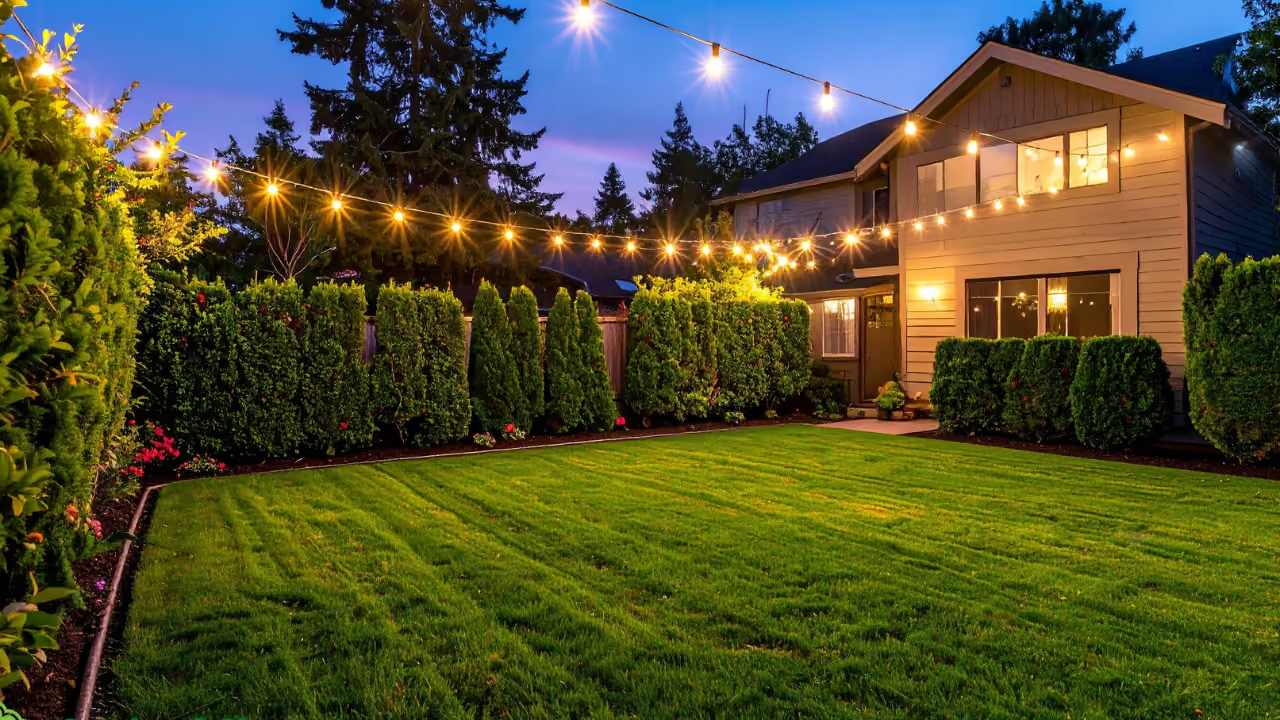
Landscape lighting can completely change how an outdoor space looks, feels, and functions after sunset. It highlights the best parts of a garden, makes paths safer, improves visibility around entrances, and helps patios, lawns, and seating areas feel more inviting. In simple terms, landscape lighting means using outdoor lights to illuminate paths, plants, trees, walls, steps, water features, and other exterior areas in a thoughtful way.
This guide covers the landscape lighting basics, including planning, placement, design, fixture types, installation options, and practical ideas you can use to create a more beautiful and useful outdoor space.
What Is Landscape Lighting? Landscape Lighting 101 for Beginners
Landscape lighting is the planned use of outdoor lights to improve the appearance, safety, and usability of exterior spaces. It can be used around gardens, lawns, walkways, driveways, patios, decks, trees, walls, fences, and entry points. Good landscape lighting design does not simply make everything brighter. Instead, it guides the eye, creates depth, and helps the outdoor area feel comfortable after dark.
There are two main purposes behind lighting landscape areas. The first is functional. This includes lighting steps, paths, gates, entrances, and seating areas so people can move around safely. The second is decorative. This includes highlighting trees, garden beds, architectural details, sculptures, or water features.
Why Outdoor Landscape Lighting Matters for Your Garden and Home
Outdoor landscape lighting matters because it helps your garden and home work better after sunset. A well-lit path reduces the chance of trips and falls. A softly lit entrance makes the home feel more welcoming. Lighting near gates, driveways, and darker corners can also improve visibility and add a sense of security.
There is also a strong visual benefit. The right lighting can turn a plain yard into a more refined outdoor space. Trees gain shape, garden beds look more defined, and patios feel warmer and more usable in the evening. For many homeowners, this makes outdoor areas feel like a true extension of the home.
Lighting landscape features also helps show off the work already done in the yard. If you have invested in planting, stonework, pathways, or sustainable landscape design ideas, lighting can help those details stand out at night. It adds depth, mood, and function without changing the structure of the space.
Landscape Lighting Basics: Types of Fixtures and Effects
The most effective landscape lighting usually combines different fixtures and effects. Each light has a job, and together they create balance across the yard.
Landscape LED lights are one of the most popular choices because they are energy efficient, long lasting, and available in many styles. They work well for paths, garden beds, steps, walls, and feature lighting. Many LED fixtures also offer warm color temperatures, which help outdoor spaces feel soft and natural.
Landscape lantern lights bring a more decorative look. They are often used near patios, paths, porches, and garden seating areas. Their style can range from classic to modern, making them useful when the fixture itself is part of the design.
Solar landscape lighting is another option, especially for areas where wiring is difficult or unnecessary. Solar lights work best in spots with strong daytime sun. They are useful for simple path lighting, accent lighting, and low-maintenance garden areas, though they may not provide the same brightness or consistency as wired fixtures.
Uplighting Landscape and Its Techniques
Uplighting means placing a light low to the ground and aiming it upward. It is often used for trees, tall shrubs, walls, columns, and focal points.
This effect works well when you want to add height, drama, or structure. For example, a spotlight at the base of a mature tree can highlight the trunk and branches, creating a strong nighttime feature. The key is to avoid using too much brightness.
Landscape Down Lighting and Pathway Lighting
Landscape down lighting works in the opposite direction. The light is placed above the area and aimed downward. It can be mounted in trees, on walls, under roof edges, or near outdoor structures. This creates a soft effect that can feel similar to moonlight when done well.
Down lighting is useful for walkways, seating areas, patios, entrances, and garden paths. It improves visibility without making the space feel overly bright. Pathway lighting is more direct and usually uses low fixtures placed along paths or steps. Both methods help guide movement and improve safety, but subtle placement is important. Lights should show people where to walk without shining directly into their eyes.
How to Plan Landscape Lighting Step by Step
Learning how to plan landscape lighting starts with looking at the space before choosing fixtures. Walk around the yard in the evening and notice where it feels too dark, where people need better visibility, and which features deserve attention. This first step helps you avoid buying lights without a clear purpose.
Next, define your goals. Do you want better safety along paths? More ambiance around a patio? Stronger curb appeal from the street? A dramatic garden feature? Clear goals make designing landscape lighting much easier.
After that, choose your focal points. These may include trees, stone walls, water features, garden beds, outdoor seating areas, entryways, or architectural details. Not every feature needs lighting. In fact, choosing only a few key areas often creates a stronger result.
Then, create layers of light. A good landscape lighting design guide usually includes three basic layers: task lighting for safety, accent lighting for visual interest, and ambient lighting for general atmosphere. For example, path lights can guide movement, uplights can highlight trees, and soft patio lights can create a relaxing evening setting.
Finally, test before final installation. Place temporary lights or use flashlights to check angles, shadows, and brightness. Small changes in placement can make a big difference. This planning step helps you avoid glare, uneven spacing, and over-lighting.
How to Layout Landscape Lighting for Balance and Flow
To understand how to lay out landscape lighting, start with a simple sketch of the yard. Mark paths, steps, entrances, patios, trees, garden beds, and focal points. Then decide which areas need light for safety and which areas need light for visual effect.
Avoid placing fixtures in a straight, repetitive line unless the design calls for a formal look. Most gardens feel better with a natural rhythm. Alternate lights from side to side along a path, vary the intensity, and leave some areas darker. This creates flow and prevents the yard from looking flat. A good layout should lead the eye through the space without making every feature compete for attention.
Landscape Lighting Spacing and Light Placement Principles
Landscape lighting spacing depends on the fixture type, beam spread, brightness, and purpose. Path lights are often spaced close enough to guide movement, but not so close that they create a runway effect. Spotlights and uplights need more careful placement because beam angle changes the mood and visibility.
A narrow beam works well for tall, slim features like columns or tree trunks. A wider beam suits walls, shrubs, and broad garden features. Landscape lighting placement should also consider glare. Fixtures should point away from direct eye level whenever possible. The goal is to see the effect of the light, not the bulb itself.
Where to Place Landscape Lighting
Knowing where to place landscape lighting is one of the most important parts of the design process. Start with areas that affect safety and movement. Paths, steps, driveways, gates, and entrances should be easy to see after dark. Low path lights, step lights, or down lights can guide people without overpowering the space.
Next, look at focal points. Trees, garden beds, stone walls, water features, and sculptures can all benefit from accent lighting. For trees, place lights near the base and angle them upward. For garden beds, use soft lighting that shows plant texture without flattening the space. For water features, keep the lighting subtle so the movement of the water remains the focus.
Seating areas also need attention. Patios, decks, fire pit zones, and outdoor dining spaces should feel comfortable, not exposed. Soft overhead lights, lanterns, or low-level fixtures often work better than bright floodlights.
Landscape Lighting Ideas to Transform Your Outdoor Space
The best landscape lighting ideas are practical, beautiful, and matched to the way the space is used. For a modern garden, use clean fixtures, warm LED lighting, and simple lines along paths or walls. This creates a calm, polished look without visual clutter.
For a cozy patio, combine soft overhead lighting with lantern-style fixtures or low lights near planters. This makes the area feel comfortable for evening meals, conversations, or quiet time outside.
Large trees can become dramatic focal points with carefully placed uplights. Minimalist paths can look elegant with small fixtures spaced in a natural rhythm. Garden beds can feel richer when low lights reveal plant shapes and textures after dark.
Eco-friendly setups can include solar landscape lighting, timers, and energy-efficient landscape LED lights. These choices work especially well when paired with low maintenance landscaping ideas, since they support a yard that looks good without demanding constant attention.
Outdoor landscape lighting works best when it feels intentional. A few well-placed lights often create more impact than many bright fixtures.
Landscape Lighting Installation
Landscape lighting installation can be simple or more involved, depending on the system. Solar lights are usually the easiest option because they do not require wiring. They can be placed along paths, garden beds, or open sunny areas. However, they need enough sunlight during the day and may produce less consistent light in shaded areas or cloudy weather.
Low-voltage wired systems are another common choice. These often use a transformer, cables, and fixtures placed throughout the yard. They are popular because they offer reliable performance and more design control than basic solar lights. Landscape LED lights are commonly used in these systems because they use less energy and last longer than older lighting options.
DIY installation may work for simple path lights, small garden accents, or solar fixtures. More complex designs, wiring near water features, large yards, or systems connected to existing electrical work may need professional help. A professional can also help with fixture placement, voltage drop, timers, and long-term durability.
The main goal is safe, reliable lighting that supports the design. Good installation keeps fixtures secure, wires protected, and lighting effects consistent.
Tips for Landscape Lighting That Make a Big Difference
Small details can make landscape lighting look much better. One of the most important tips for landscape lighting is to avoid glare. Fixtures should highlight the space, not shine into someone’s eyes. Shielded lights, careful angles, and warm bulbs can help.
Layering also matters. Use different types of lighting for paths, focal points, seating areas, and general ambiance. This creates depth and prevents the yard from looking flat.
Choose the right color temperature. Warm white light usually works best for gardens and patios because it feels natural and welcoming. Very cool light can make plants, stone, and outdoor furniture look harsh.
Maintenance is another simple but important step. Clean lenses, trim plants around fixtures, check wiring, and adjust lights as the landscape grows. Seasonal changes can affect shadows, visibility, and plant coverage.
Among the most useful tips for landscape lighting is this: start subtle. You can always add more light later, but too much brightness can take away the calm, natural feel of the yard.
Final Thoughts on Landscape Lighting
Landscape lighting is one of the most effective ways to improve an outdoor space. It adds safety, highlights the best features of the garden, supports evening use, and creates a more welcoming atmosphere around the home.
The best results come from thoughtful planning. Start with the landscape lighting basics, decide where lights are needed, choose the right fixtures, and focus on balance rather than brightness. Whether you use wired fixtures, solar landscape lighting, or landscape LED lights, the goal is the same: to create an outdoor space that feels beautiful, safe, and easy to enjoy.
With the right landscape lighting design, even a simple yard can feel more finished, inviting, and useful after dark. Explore more Growing Seeds of Change guides for practical ideas that help your outdoor space grow with purpose.
Frequently Asked Questions About Landscape Lighting
How does landscape lighting improve outdoor spaces?
Landscape lighting makes outdoor spaces safer, more usable, and more attractive after dark. It highlights paths, patios, entrances, trees, and garden features while creating a more welcoming atmosphere.
Where to place landscape lighting for the best visual and safety results?
Place landscape lighting near paths, steps, entrances, driveways, seating areas, trees, and key garden features. Focus first on safety, then use accent lights to highlight the parts of the yard you want to stand out.
How to plan landscape lighting and choose between solar and LED options?
Start by identifying dark areas, safety needs, and focal points in the yard. Solar landscape lighting works well for simple sunny areas, while landscape LED lights are better for consistent brightness, control, and long-term use.
What is the right landscape lighting spacing for paths and garden features?
Landscape lighting spacing depends on the fixture type, brightness, and the effect you want to create. Path lights should guide movement without looking crowded, while accent lights should be tested at night to find the best angle and distance.
How to use the light-dark landscape effectively?
A good light-dark landscape highlights important areas while leaving some softer shadows. This contrast adds depth, mood, and a more natural look than lighting every part of the yard equally.
%20(1).avif)
.svg)
.avif)