.svg)
.svg)

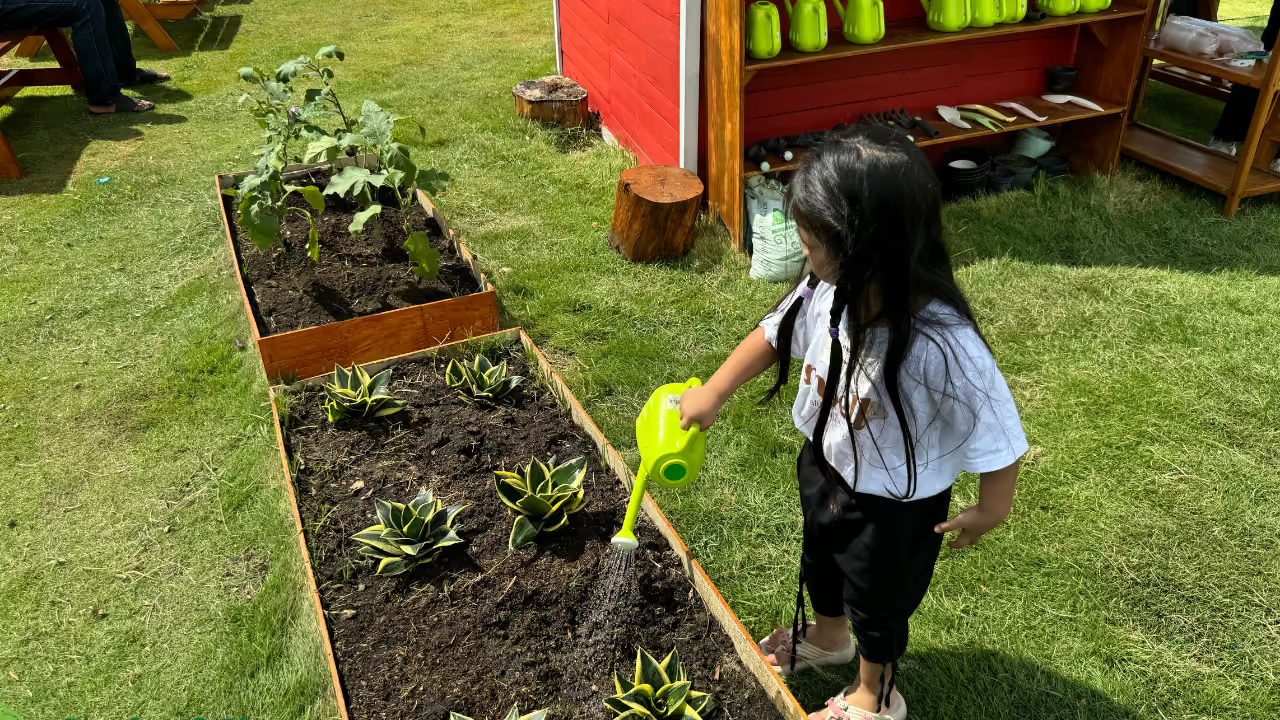
A raised garden bed is a simple way to upgrade your garden without tearing up your yard. You create a planting area, fill it with soil, and give roots a loose, well-draining place to grow. That usually means fewer puddles, fewer weeds, and stronger plants, especially in clay or compacted ground.
Raised beds also improve accessibility because you can garden from the path instead of stepping on the soil. This guide walks you through planning, building, filling, and maintaining a raised bed garden, from beginner-friendly setups to more advanced layouts.
Whether you want herbs near the kitchen or a productive raised bed vegetable garden, you will know what to do next.
What Is a Raised Garden Bed and Why Gardeners Love It
A raised garden bed is a contained growing space that sits above the surrounding ground. The sides can be wood, metal, or another rigid material, but the main advantage is control. In in-ground gardening, you are limited by existing soil texture, drainage, and compaction. In a raised bed garden, you choose the soil mix, the bed size, and the planting pattern.
Gardeners like raised bed garden systems because they solve common problems quickly. Drainage improves because the soil is elevated and not as tightly packed. Soil quality improves because you can add compost and amendments from the start.
Maintenance often gets easier because beds stay tidy, pathways stay clear, and weeds are easier to spot early.
Accessibility is another reason raised beds are popular, since you can reach plants without kneeling as much. These beds work well for a raised bed vegetable garden, a raised bed herb garden, or mixed beds that include flowers for pollinators.
Because the soil is loose, roots can spread faster, and water moves more evenly through the profile. It also makes it easier to add covers, hoops, and simple edging for cleaner paths.
Raised Garden Bed Ideas for Every Space and Skill Level
Raised garden bed ideas should match the space you actually have. In a small yard, a single 2x6 or 4x4 bed can produce plenty of greens, herbs, and compact vegetables. On patios, you can use shallow beds on pavers or containers that function like a raised bed garden, as long as they drain well and have enough depth for roots.
If you are looking for inexpensive raised garden bed ideas, start with one bed and put your budget into the soil. A sturdy, simple rectangle in good sunlight will outperform a complicated build in poor light.
Beginners often do best with straight edges, a manageable size, and easy crops that provide fast wins. For inspiration on low-maintenance garden bed plants, choose varieties that tolerate heat and occasional missed watering, and group plants with similar needs to keep care simple.
For larger yards, consider two or three beds with a clear path between them, rather than one oversized bed that is hard to reach. You can also build L-shaped beds to wrap a corner or define a patio edge, as long as you keep the inside width reachable. Leave paths.
How to Build a Raised Garden Bed Step by Step
How to build a raised garden bed? Start with placement. Pick a spot with at least six hours of sun for vegetables and make sure a hose can reach it. Mark the footprint with stakes and string, then check for a square by measuring the diagonals.
Prepare the base. On soil, remove grass and weeds or lay cardboard to smother them. On slopes, level the area as best you can so water does not run to one end. On concrete or pavers, plan for deeper soil and reliable drainage.
Next, assemble the frame. Common tools include a tape measure, drill or driver, level, work gloves, and a saw if you are cutting boards. Pre-drill holes to avoid splitting, then fasten boards or panels with exterior-rated screws or hardware.
For beds longer than about six feet, add a middle brace so the sides do not bow out once filled. If your site is windy, drive short stakes inside the corners to help anchor the bed.
Set the frame in place and level it as much as possible. Even a small tilt can cause water to pool on one side. Use cardboard under the bed for early weed control, but avoid plastic layers over soil because they trap water and restrict roots. Once the frame is stable, you are ready to fill.
Choosing the Right Materials for Your Raised Garden Bed
Material choice affects lifespan, cost, and maintenance. Wood is common because it is easy to work with and looks natural. A cedar raised garden bed is popular because cedar resists rot and insects without chemical treatment, which makes it a strong option for edible gardens.
Softer woods like pine or fir can work, but they tend to break down faster when exposed to moist soil, so thicker boards and good drainage matter.
Metal raised garden bed designs are durable and hold their shape well. Galvanized steel raised garden bed styles handle moisture, but metal can heat up in strong sun, so mulch and consistent watering help protect roots. Plastic quality varies widely.
For any material, thickness, and hardware matter. Thicker boards resist bowing, and sturdy corner connections keep the frame square as soil settles. Use exterior-rated screws or bolts, and avoid indoor fasteners that rust quickly. If you are growing food, skip interior liners that trap moisture against the boards, because constant wet wood breaks down faster.
When selecting wood for raised garden bed projects, match the material to your climate and the amount of upkeep you want to do.
How Deep Should a Raised Garden Bed Be and Why It Matters
Depth determines root space, moisture balance, and how stable your bed stays through hot weather. How deep should a raised garden bed be? For many crops, 10 to 12 inches of good soil is enough, especially for greens and herbs. For tomatoes, peppers, squash, and most root vegetables, 14 to 18 inches gives roots more room and improves moisture holding.
For carrots and parsnips, deeper soil prevents forking and helps roots develop straight and smooth.
Depth also matters if your native soil is poor, compacted, or heavy clay. A deeper bed buffers those conditions and improves drainage and aeration. If you build on soil, it helps to loosen the ground under the bed so roots can grow down and water can move through.
You can use diy raised garden bed layers to reduce cost in tall beds, but keep it practical. Fill the bottom with rough organic material only if it will break down evenly, and keep the top 8 to 12 inches as consistent planting soil.
How to Fill a Raised Garden Bed for Healthy Growth
Knowing how to fill a raised garden bed is where most gardens are won or lost. The goal is soil that drains well, holds moisture, and provides nutrients.
For many gardeners, the best soil for vegetable garden raised bed setups is a blend of topsoil, compost, and an aeration component like perlite, coarse sand, or fine bark. Use finished compost, not fresh manure, to avoid burning seedlings. If you buy soil in bulk, ask about texture and weed seeds before ordering too.
A simple starting mix is about one-third compost, one-third topsoil, and one-third aeration material. Compost feeds soil life and improves structure. Topsoil adds bulk and stability. Aeration helps prevent compaction and keeps roots oxygenated.
If you are filling a tall bed, you can add sticks, leaves, or partially decomposed wood in the lower section to save money, but keep the top layer high quality.
Water the bed after filling to help it settle, top it off if needed, then add mulch to reduce evaporation and keep soil temperatures steady. If the bed dries too fast, add more organic matter and mulch, and top-dress with compost each season.
Raised Garden Bed Layouts and Planting Ideas
A good layout makes a raised garden bed productive and easier to manage. Start with your goals, high-yield vegetables, kitchen herbs, or a mixed bed that looks good and supports pollinators. For a layout raised bed vegetable garden, place taller crops on the north side so they do not shade shorter plants. Keep similar plants together so watering and feeding stay consistent.
Many gardeners choose 4x8 raised garden bed layouts because they balance space with reach. You can divide the bed into sections and rotate plant families each season to reduce pest and disease pressure. Use trellises for cucumbers, beans, and peas to free up floor space and improve airflow.
For a softer, more decorative edge, add cascading plants for raised beds like trailing herbs or strawberries that spill over the sides. Whatever you plant, follow spacing guidelines and thin seedlings early, because crowded plants struggle with airflow and produce less.
Plan succession planting in gaps after early crops finish. Label sections so you remember what went where. Keep leafy greens in the center, and put herbs near the edges for quick harvest. A simple grid helps prevent overcrowding and speeds weeding.
Special Raised Garden Bed Features and Add-Ons
Add-ons can solve specific problems when chosen carefully. Raised garden beds with trellis systems support climbers and help keep fruit clean. Raised garden beds with cover options, like hoops and row cover, can reduce pest damage and extend the season.
Self-watering raised garden bed designs can help in hot climates or for gardeners who travel, but they still require monitoring to prevent waterlogging.
Drip irrigation is another useful upgrade because it delivers water to the root zone and reduces evaporation.
Raised garden beds with legs work well on patios and for gardeners who want a higher working height. They can dry out faster than ground-level beds, so plan for more frequent watering and a soil mix that holds moisture. Before adding any feature, decide what problem you are fixing, because the best upgrades reduce work, not add chores.
If rabbits or pets are an issue, add a simple wire barrier at the base. For hot climates, shade cloth on hoops can prevent leaf scorch. Store covers dry, so fabric lasts longer outside.
Raised Garden Bed Kits vs DIY Builds
Raised garden bed kits are convenient. They come with precut parts and predictable results, which is helpful if you want to start quickly. Kits can be a good fit for patios, community gardens, and small spaces. The tradeoff is cost and limited sizing, and some kits use thinner materials that may not last as long in harsh weather.
When comparing options, think about your tools and time. A kit may take an hour to assemble, while a DIY build takes longer if you need to cut lumber and level the site. Kits are often modular, so you can add height later, but DIY makes it easier to match an exact footprint.
DIY builds offer more flexibility. You can choose exact dimensions, pick materials for your climate, and build taller beds for accessibility. If your goal is to build a raised garden bed cheaply without sacrificing quality, focus on strong corners, a level base, and great soil.
Choose the option you will maintain consistently, because steady care is what makes a raised bed garden thrive.
Final Thoughts on Raised Garden Beds
A raised garden bed helps you grow with fewer barriers. You get better drainage, more control over soil quality, and a cleaner planting space that is easier to reach. Start with one bed, keep the size manageable, and place it where sunlight is reliable.
Then build soil health over time with compost, mulch, and smart crop rotation. Check moisture regularly during the first few weeks, so you learn how fast your bed dries, and adjust with mulch or irrigation as needed. With the right setup, raised bed gardening stays flexible, productive, and enjoyable season after season.
Take notes each season, and your raised bed garden will get more productive, easier, and more fun.
Frequently Asked Questions About Raised Garden Beds
What is the best raised garden bed for beginners and small spaces?
Choose a bed 3 to 4 feet wide to reach the center. Start with one rectangle and grow greens and herbs.
How do I choose the best soil for a raised bed garden?
Use a mix that drains but stays moist: topsoil, compost, and an aeration material. Refresh yearly with compost and keep a mulch layer on top.
What is the best way to build a DIY raised garden bed on a budget?
Keep the design simple, use sturdy corners, and spend on soil. Build in full sun, use cardboard for weeds, and expand after your first season.
How deep should a raised garden bed be for vegetables?
Aim for 12 to 18 inches for most vegetables. Deeper beds hold moisture better and support tomatoes, peppers, and root crops.
Are raised garden bed kits better than building one from scratch?
Kits are fast and simple; DIY is customizable. Pick the option that fits your tools and time, then prioritize sun and soil quality.
%20(1).avif)
.svg)
.avif)