.svg)
.svg)

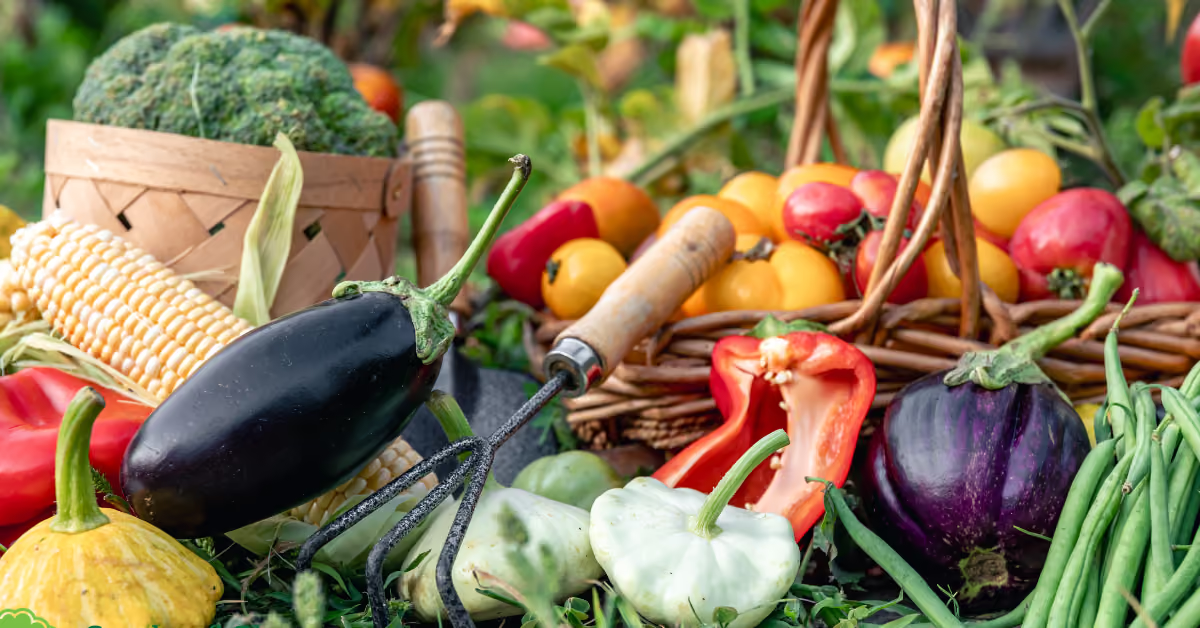
Vegetable gardening is an easy way to bring fresher food, better flavor, and purpose into daily life. More people are growing at home because they want healthy produce, lower grocery costs, and a hobby that feels useful and relaxing. The best part is that you do not need a huge yard or years of experience to begin.
This guide explains the basics in a simple way so you can start with confidence. You will learn how to choose a setup, prepare soil, use containers, grow indoors or outdoors, and think through seasonal changes. Whether you want a few herbs by the window or a productive backyard bed, this article will help you take smart first steps and build skills.
What Is Vegetable Gardening and Why It’s Worth It
Vegetable gardening means growing edible plants at home for your own use. Some gardeners plant directly in the ground, some use containers, and others rely on raised beds or vertical systems. These are the three main types beginners will encounter, and each can work well depending on your space, sunlight, and budget.
Home vegetable gardening is worth it for more than one reason. First, it can save money, especially when you grow crops you buy often, such as lettuce, herbs, tomatoes, peppers, or beans. Second, it gives you fresher food with better taste and more control over how it is grown. Third, it can support mental well-being. Many people find that watering, planting, and harvesting help them slow down.
There is also a sustainability benefit. Growing even part of your food at home can reduce packaging waste and food miles. You do not need a large, perfect garden to get value from the experience. A few healthy plants can teach useful skills and produce real results. That is why vegetable gardening attracts both first-time growers and experienced gardeners.
Vegetable Gardening for Beginners: Getting Started the Right Way
Vegetable gardening for beginners should start with a small, realistic plan. A common mistake is trying to grow too much too soon. It is better to begin with a few easy crops and learn how your space works before expanding. This keeps the process manageable and improves the odds of early success.
Start by finding the sunniest spot available. Most vegetables need six to eight hours of direct light each day. After that, think about convenience. A garden close to your kitchen or door is easier to water, check, and harvest, which helps you stay consistent. Easy vegetable gardening usually comes down to choosing the right location and keeping the first season simple.
Planning before planting also matters. Make a short list of vegetables you actually enjoy eating, then match them to the time of year and the amount of room you have. Decide whether you will use containers, raised beds, or in-ground planting. Expect a few lessons along the way. Some plants may grow better than others, and that is normal. The goal is not perfection. It is confidence, basic skills, and a garden you can maintain.
Vegetable Gardening Tools and Basic Supplies You’ll Need
A beginner garden does not require expensive equipment. A few reliable vegetable gardening tools will cover most tasks. Start with a hand trowel for planting, pruning shears, gloves, and a watering can or hose with a soft spray. If you are working in the ground, a sturdy shovel is also useful. These are the main vegetable gardening supply items to buy first.
Some vegetable gardening accessories are optional. Plant labels can keep seedlings organized, stakes or trellises support climbing crops, and a kneeling pad adds comfort. Containers and grow bags may also be necessary if you are not planting directly in the ground.
For cost-effective vegetable gardening, focus on durable basics instead of gadgets. Good soil, strong plants, and steady care matter far more than extra tools.
Vegetable Gardening Soil: The Foundation of a Healthy Garden
If you want better harvests, start with better soil. Vegetable gardening soil affects root growth, drainage, moisture retention, and nutrient availability. Even strong seedlings will struggle if the soil is compacted, depleted, or constantly soggy. That is why soil matters so much.
Good soil is loose enough for roots to spread, rich enough to feed growing plants, and balanced enough to hold moisture without trapping too much water. If your yard soil is heavy clay, very sandy, or hard and dry, do not assume gardening will fail. Soil can be improved. Compost is one of the best tools because it adds organic matter, improves structure, and supports healthy soil life. Over time, compost can make poor soil far more productive.
Mulch also helps by protecting the surface, reducing weeds, and slowing evaporation. You do not need fancy equipment to build a healthier garden. Adding compost and protecting the soil each season can transform your results. In most gardens, strong soil does more for plant health than any accessory or shortcut.
Best Soil for Vegetable Container Gardening and Raised Beds
The best soil for vegetable container gardening is a loose, well-draining mix, not regular yard soil. Garden soil often becomes dense in pots, which can slow root growth and create drainage problems. Containers work best with a quality potting mix designed to hold moisture while still allowing air around the roots.
Raised beds also need rich, loose soil, though the mix can be slightly heavier than in containers. Many gardeners combine compost, topsoil, and a material that improves drainage and texture. This gives plants nutrients while helping roots spread easily.
Whether you plant in pots or raised beds, the goal is the same: balanced moisture, good airflow, and enough fertility to support healthy growth.
Vegetable Container Gardening Ideas for Patios, Balconies, and Apartments
You do not need a traditional yard to grow vegetables well. Patio vegetable gardening, balcony vegetable gardening, and apartment vegetable gardening can all be productive when the setup matches the space. That is one reason vegetable gardening ideas for small homes are so popular.
For patios, large pots or grow bags work well for tomatoes, peppers, beans, and herbs. On balconies, railing planters, stacked shelves, and narrow containers help you use limited room efficiently. Apartment vegetable gardening often works best with herbs, lettuce, radishes, and compact varieties. Indoor apartment vegetable gardening can also succeed near a bright window or under a small grow light.
The best vegetable container gardening ideas are simple and practical. Choose crops that fit the container size, start with only a few pots, and pay attention to light. These small vegetable gardening ideas make it possible to grow useful food in spaces that seem too limited.
Indoor Vegetable Gardening: Grow Fresh Food Year-Round
Indoor vegetable gardening gives you a way to grow fresh food when outdoor space is limited or the weather is poor. It suits renters, apartment dwellers, and anyone who wants fresh harvests through more of the year. The key is to keep expectations realistic. Indoor setups can be productive, but they suit certain crops best.
Light is usually the biggest challenge. Most edible plants need strong sun or grow lights to stay compact and healthy. That is why indoor vegetable gardening for beginners is easiest when focused on herbs, leafy greens, scallions, and other small plants. These crops need less room and adapt better indoors than larger fruiting vegetables.
Good drainage, proper watering, and airflow also matter. Overwatering is a common mistake, especially indoors where soil dries more slowly. Useful indoor vegetable gardening ideas include basil on a sunny windowsill, lettuce in shallow trays, and compact pepper plants under lights. Start small, learn how your indoor space behaves, and expand after you see what grows well.
Backyard, Front Yard, and Vertical Vegetable Gardening Systems
Backyard vegetable gardening is the most common choice because it usually offers more space. A backyard can support in-ground rows, raised beds, compost bins, and larger crops. It is often the best option for gardeners who want variety and room to scale up.
Front yard vegetable gardening can also be a smart choice, especially when it gets better sun than the back. In some homes, the front yard is the strongest growing space. The main considerations are local rules, visibility, and appearance. Neatly arranged beds, borders, and containers can make edible gardens look intentional and attractive.
Vertical vegetable gardening systems are ideal for tight spaces. Trellises, wall planters, and upright supports let crops grow upward instead of outward. This works well for peas, cucumbers, and some beans. Vertical growing can also improve airflow and make harvesting easier. The right system depends on your sunlight, available space, and whether you care most about appearance, convenience, or output.
Choosing the Right Vegetable Gardening Plants and Seeds
Choosing the right crops makes the first season easier. Beginners do best with plants that grow quickly, produce well, and need less attention. Lettuce, radishes, spinach, bush beans, zucchini, and cherry tomatoes are all solid choices. Herbs such as basil, parsley, and chives are also useful beginner crops.
When buying seeds or seedlings, look for varieties described as compact, productive, or disease-resistant. These features improve your odds of success. If you are growing in pots, choose vegetable seeds for container gardening or compact varieties developed for smaller spaces. They are often easier to manage and better suited to the limits of containers.
Try not to overcomplicate the first season with too many crops or rare varieties. Pick vegetables you enjoy eating and match them to your season and space. A smaller, well-managed garden usually teaches more than a large one that becomes hard to maintain. Early success builds motivation, and that matters more than growing everything.
Seasonal Vegetable Gardening
Vegetable gardening changes throughout the year, and learning that cycle helps you plan better. Spring vegetable gardening is when many people prepare beds, improve soil, and plant cool-season crops such as peas, lettuce, spinach, carrots, and radishes. It is also when warm-weather seedlings often get started before moving outdoors.
Fall vegetable gardening is another valuable opportunity. Cooler weather suits many greens, roots, and brassicas, and some crops develop even better flavor after temperatures drop. The main planning step is knowing your frost date so crops mature on time.
Winter vegetable gardening depends on climate, but it does not always mean the garden has to stop. In mild regions, hardy vegetables may keep growing with minimal protection. In colder areas, row covers, cold frames, and indoor setups can help extend the season. Gardening is not just a spring activity. It is a year-round process shaped by weather, timing, and crop choice.
Organic Vegetable Gardening Tips for Healthier Harvests
Organic vegetable gardening is less about perfection and more about building a healthy system. The goal is to support plant growth naturally by improving soil, using sustainable habits, and preventing bigger problems. This approach can be simple and effective for home growers.
One of the best organic vegetable gardening tips is to focus on soil health first. Compost, mulch, and natural amendments help create stronger plants over time. Healthy plants usually handle stress better, resist pests, and recover from minor damage. Watering consistently, spacing plants well, and rotating crops when possible also support a healthier garden.
For pest control, start with observation and prevention. Check leaves often, remove damaged growth, and use barriers or hand-picking before reaching for stronger treatments. Flowers that attract pollinators and beneficial insects also help create balance. Organic methods work best when used consistently, not all at once. Small habits, repeated over time, usually lead to cleaner harvests and a more resilient garden.
Vegetable Gardening Tips and Tricks to Save Time and Money
A productive garden does not need to take over your schedule or budget. Some of the best vegetable gardening tips for beginners are simple habits that reduce work and waste. Start by growing crops your household actually uses. That keeps the garden practical and makes every harvest more rewarding.
Mulch is one of the easiest time-saving tools because it reduces weeds and helps the soil stay moist longer. Watering deeply instead of lightly also saves time in the long run because it encourages roots to grow stronger. Another useful approach is grouping plants with similar light and water needs so daily care becomes more efficient. These are the kinds of vegetable gardening tips and tricks that help without adding complexity.
For cost-effective vegetable gardening, reuse containers when possible, start some crops from seed, and make compost from kitchen scraps and yard waste. Avoid buying more plants than your space can support. A small garden with consistent care will almost always outperform a larger one that becomes hard to manage. Keep routines simple, learn from each season, and let the garden grow with your experience.
Final Thoughts on Vegetable Gardening
Vegetable gardening feels less intimidating when you break it into simple steps. Start with the method that fits your space, whether that is containers, raised beds, indoor growing, or a backyard plot. Focus on healthy soil, realistic crop choices, and a setup you can maintain without stress.
You do not need a perfect garden to grow food at home successfully. Small harvests still build skill, confidence, and momentum. As you learn what works in your space, each season becomes easier and more rewarding. Explore more guides from The Seeds of Change or subscribe for more practical tips.
Remember that every gardener starts with questions, trial and error, and a few surprises. What matters most is paying attention, adjusting your methods, and enjoying the progress. The first tomato, handful of lettuce, or bunch of herbs often changes how people think about food and home. That sense of progress is one of the best reasons to keep going for the long term too.
Frequently Asked Questions About Vegetable Gardening
Is vegetable gardening worth it for beginners and small spaces?
Yes. Even a few containers can produce fresh herbs and greens while helping beginners build confidence without a large investment.
What’s the difference between container vegetable gardening and backyard vegetable gardening?
Container gardening uses pots, boxes, or grow bags, making it ideal for patios, balconies, and compact spaces. Backyard vegetable gardening usually allows larger beds, more crop variety, and higher output.
What are the best vegetable gardening tools and accessories to start with?
Start with a hand trowel, gloves, pruning shears, and a watering can or hose. Labels, stakes, and trellises are useful, but the basics are enough for most beginners.
What vegetables are best for indoor vegetable gardening for beginners?
Herbs, lettuce, spinach, scallions, and compact peppers are good choices. They are easier to manage indoors and are reliable indoor vegetable gardening ideas for new growers.
How can I start cost-effective vegetable gardening at home?
Start small, grow what you eat often, improve soil with compost, reuse supplies when possible, and avoid unnecessary purchases. A focused setup is usually the most affordable way to begin.
%20(1).avif)
.svg)
.avif)