.svg)
.svg)

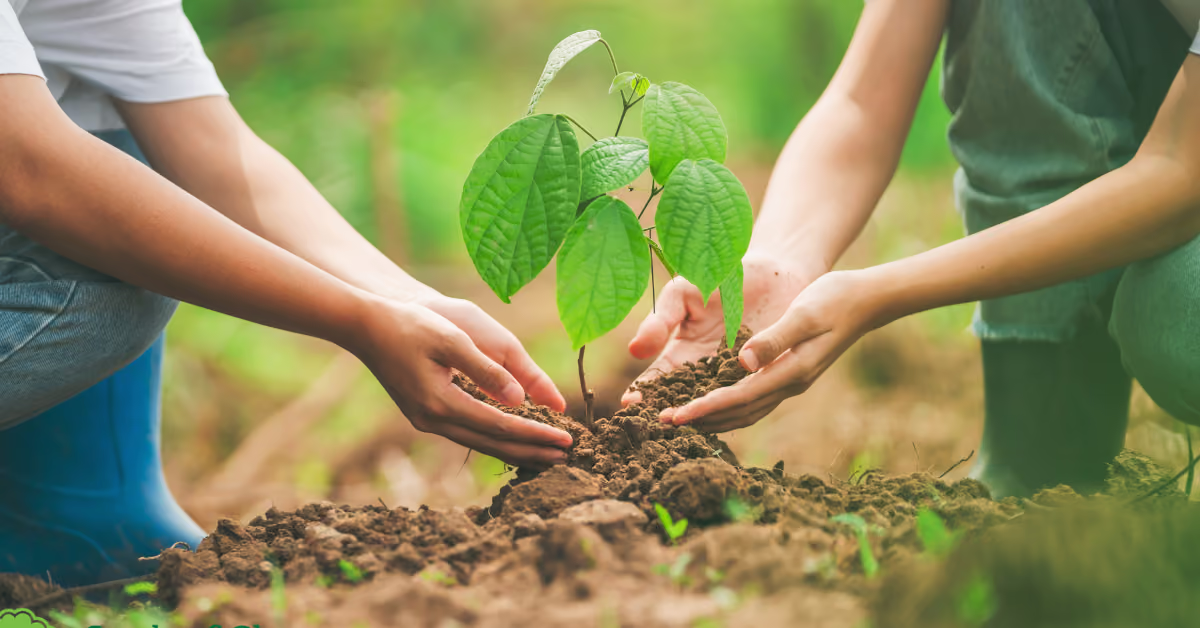
Planting a tree is one of the simplest ways to improve a yard, support local wildlife, and create a landscape that becomes more valuable and beautiful over time. A well placed tree can add shade, soften the look of a home, produce fruit, and make outdoor spaces more comfortable in every season. It can do long term work for the environment by helping cool the air, support soil health, reduce runoff, and provide habitat.
In this guide, you will learn how to plant trees with confidence, choose the best time to plant trees, understand spacing, and handle common questions about fruit trees, bare root trees, and even winter planting. Whether you are planting your first small tree or planning a larger landscape update, the goal is the same: start well, plant carefully, and give your tree the best chance to thrive for years.
Why You Should Plant Trees and What to Expect
People plant trees for many reasons, and most of them are practical. A tree can create shade over a patio, frame the front of a house, add privacy, reduce visual clutter, or turn an empty lawn into a more inviting space. Fruit trees add another layer of value because they combine beauty with harvest.
Trees can also help raise property appeal, improve air quality, cool paved areas, and create shelter for birds and beneficial insects. If you are designing a garden with wildlife in mind, it also helps to think about trees and plants that support pollinators so your landscape offers more than one kind of benefit. Some homeowners plant trees for structure in the front yard, while others want better screening, seasonal color, or more life around outdoor seating areas.
That said, good results take patience. Trees do not transform a space overnight, and even fast growers need time to establish roots before they put on strong top growth. New trees also need regular watering, some monitoring, and a little seasonal care in the first few years. Learning how to plant trees correctly matters because early choices affect stability, growth rate, shape, and long term health.
When Is the Best Time to Plant Trees?
For most climates, the best time to plant trees is either in fall or in early spring. These seasons usually offer cooler temperatures, more consistent moisture, and less stress on a newly planted tree. Fall is often ideal because the soil is still warm enough for root growth, but the air is cooler and the tree does not have to spend energy pushing lots of new top growth.
That gives roots time to settle in before summer heat arrives, which is why many gardeners see fall as the best time to plant trees when weather is predictable.
Spring is also a good option, especially in colder regions where winters are harsh or where the ground freezes deeply. Planting in spring gives the tree a full growing season to establish. The main risk is that warmer weather can arrive quickly, which means watering becomes especially important.
When deciding when to plant trees, think about your local weather, soil conditions, and tree type. The best time of year to plant trees is the time that gives roots the longest, least stressful start. Can you plant trees in the winter? In mild climates, sometimes yes, but in cold regions frozen ground and severe conditions make winter planting harder and less reliable.
Best Time to Plant Fruit Trees and Apple Trees
The best time to plant fruit trees is usually late fall through early spring, depending on climate and the kind of tree you are planting. Fruit trees benefit from being planted while dormant or just before active growth begins because that reduces transplant stress and encourages root development first.
For many gardeners, when to plant apple trees comes down to local winter conditions. In colder climates, early spring is often safest because the ground has thawed and the tree can settle in before summer. In milder areas, fall planting can work very well because roots keep developing through the cool season.
The same basic idea applies when to plant peach trees, although peaches are often a bit more sensitive to site and climate. In general, plant fruit trees when temperatures are moderate and the tree can focus on roots, not survival. Young fruit trees planted at the right time usually establish faster and need less recovery time after transplanting.
How to Plant Trees: Step by Step for Beginners
If you are new to tree planting, the basic process is not complicated, but each step matters. Start by choosing a site that matches the tree's mature size, light needs, and soil conditions. Look beyond the small tree in the nursery pot and picture its future canopy, root spread, and distance from driveways, foundations, overhead lines, and other plants.
Then dig a hole that is wider than the root ball but no deeper. A wide hole helps roots move outward, while planting too deep is one of the most common mistakes beginners make.
Before setting the tree in place, find the root flare, the point where the trunk widens at the base. That flare should sit at or slightly above finished soil level. If the tree is wrapped or in a container, remove all packaging, loosen circling roots if needed, and check that the trunk is straight before backfilling. Use the native soil unless the soil is extremely poor. Filling the hole with very different soil can discourage roots from moving into the surrounding ground.
Once the tree is in place, backfill gently, firm the soil with your hands, and water deeply to settle everything around the roots. Add mulch in a broad ring, but keep it away from direct contact with the trunk. Then water regularly during the establishment period, especially in dry weather. Good planting is not just about the day you plant. It is also about the first year of follow up care. Watch the tree closely through its first season. Wilting, leaf scorch, and slow growth often point to watering problems, not failure. Steady moisture, careful observation, and a little patience usually matter more than fertilizer at the beginning.
If you are learning how to plant apple trees, the same core rules apply. Give the tree enough sun, match the spacing to the mature size, keep the graft union above soil level when applicable, and protect the trunk from mower damage and weed competition. A strong start supports better shape, healthier roots, and more reliable growth.
How to Plant Bare Root Trees vs Container Trees
Knowing how to plant bare root trees makes the process feel much less intimidating. Bare root trees are sold without soil around the roots, usually while dormant. Because of that, timing matters more. They should usually be planted in late winter or early spring, or in fall in milder regions, and the roots should never be allowed to dry out.
Before planting, soak the roots in water for a few hours, then spread them naturally in the hole instead of bending them into a tight shape.
Container trees are more forgiving because the roots are protected by soil, but they still need attention. Remove the pot, check for circling roots, and loosen or trim them if they are tightly wound. In both cases, the planting depth is critical.
Do not bury the trunk flare. Bare root trees often establish quickly because their roots meet native soil right away, while container trees can be planted over a wider part of the season if watering is consistent. Bare root options are often more affordable too, which makes them a smart choice when you want to plant more trees on a budget.
How Far Apart to Plant Trees for Healthy Growth
Spacing matters because trees compete for sunlight, water, and air circulation. If you plant too closely, canopies crowd together, airflow drops, and disease pressure can increase. Tight spacing can also force awkward pruning later or leave trees stunted because each one lacks room to develop naturally.
How far apart to plant apple trees depends on the rootstock and mature size. Standard apple trees need much more room than dwarf or semi dwarf forms. A compact tree may fit comfortably at one spacing, while a full size orchard tree may need double that distance or more. Always check the mature spread, not just the current size. When in doubt, give the tree more space, not less. Good spacing supports stronger structure, better fruiting, and easier maintenance over time.
Choosing the Right Trees: Front Yard and Under Tree Planting
Choosing the right tree starts with purpose. In a front yard, most homeowners want a tree that fits the scale of the house, adds seasonal interest, and will not outgrow the space too quickly. Shape matters as much as size. A tall narrow tree works well in tighter spaces, while a wider canopy can soften a large open lawn.
Think about mature height, root habits, sun exposure, and how the tree will look from both the street and the house. If you want flowers, fruit, or strong fall color, make sure the spot can actually support that result. A beautiful tree in the wrong place often becomes a maintenance issue instead of an asset.
Under tree planting takes a different kind of planning. The ground beneath established trees is often dry, root filled, and partly shaded, which makes plant choice more important. Instead of forcing sun loving plants into a difficult spot, look for trees and plants that grow well in shade and can handle root competition.
This is also where mulch and watering habits make a big difference. A thoughtful planting plan helps front yard trees look intentional and helps under tree spaces feel finished instead of neglected. In both cases, the best choice is usually the tree that fits the site naturally, not the one that only looks good at the nursery.
Seasonal and Special Planting Questions
A lot of tree planting questions come down to timing, and that is understandable because season affects root growth, stress level, and survival. If you are wondering when to plant apple trees or when to plant fruit trees in general, the best answer is usually during dormancy or just before active spring growth, though local climate always matters.
In places with cold winters, spring is often safer. In milder regions, fall can be excellent because roots can settle in before heat arrives. Can you plant trees in the winter? Sometimes, but it depends on where you live. In regions with mild winters and workable soil, winter planting can succeed, especially for dormant trees.
In colder areas, frozen or saturated ground makes planting difficult and can slow establishment. If you do winter planting in a mild climate, avoid windy, very wet periods and water only as needed, not on a fixed schedule.
The same practical thinking applies to unusual questions, such as how to plant artificial topiary trees. Those are decorative, not living plants, so the focus is on stable placement, realistic scale, and weather resistance rather than soil health or root care. They can fill a design gap, but they do not replace the ecological and long term value of real trees. For most home landscapes, living trees remain the better investment.
How to Plant More Trees and Build Better Habits
If you want to plant more trees, the easiest approach is to make tree planting part of a regular rhythm instead of treating it like a one time project. Start small. Add one tree to the front yard this season, one fruit tree next season, or one shade tree in an area where you know you will appreciate it for years. Planning ahead also helps you buy smarter because you can match tree choices to real spaces instead of impulse buying at the garden center.
It also helps to think beyond your own yard. Friends, neighbors, schools, and community groups may all benefit from simple planting projects, especially if the goal is shade, pollinator support, or neighborhood beauty. Children often enjoy helping water and mulch new trees, which turns planting into a shared habit instead of another task on a checklist.
Keeping notes on what you planted, when you planted it, and how it performed can also improve future decisions. The more routine the process becomes, the easier it is to plant trees consistently and care for them well enough to see lasting results.
Final Thoughts on How to Plant Trees
Learning how to plant trees is really about getting the basics right. Choose a tree that fits the space, plant at the right time, give it enough room, and follow through with watering and early care. Those simple steps do more for long term success than complicated tricks or expensive extras.
Whether you are deciding on the best time to plant trees, figuring out how far apart to plant apple trees, or learning how to plant bare root trees for the first time, confidence grows with practice. With a thoughtful start, almost anyone can plant trees successfully. Small, steady action adds up, and each tree you add can improve the look, comfort, and life of your landscape for years. For more practical garden ideas, planting guides, and seasonal inspiration, explore more from Growing Seeds of Change.
Frequently Asked Questions About Planting Trees
What is the best time to plant trees in different climates?
In mild climates, fall is often best because roots can grow during cool weather. In colder climates, early spring is often safer because the ground has thawed and the tree has a full growing season ahead.
When to plant apple trees and why is that the best time?
Plant apple trees during dormancy or just before spring growth. That timing reduces stress, supports root establishment, and gives the tree a stronger start before summer heat. It also makes aftercare easier because temperatures are usually milder.
How do you plant fruit trees for the best long term results?
Choose a suitable site, plant at the correct depth, water deeply after planting, and give the tree enough space for mature growth. Good early care is essential. Pruning, mulch, and consistent observation also help young fruit trees settle in well.
Can you plant trees in the winter and still get good results?
Yes, in some mild climates with workable soil. In colder regions, winter planting is often less successful because frozen ground and harsh weather limit root establishment. Local weather matters more than the calendar alone.
How do you cost effectively plant more trees at home or in your community?
Start with small projects, plan by season, choose trees that match the site, and involve family or neighbors so planting and care become easier to manage over time. Bare root trees can also reduce cost when they fit your climate and schedule.
%20(1).avif)
.svg)
.avif)